Alle Aktivitäten
Dieser Stream aktualisiert sich automatisch
- Heute
-
I’ve been checking out American Luck lately, and I enjoy discovering the different entertainment options available on the platform. The experience feels simple to explore, and I like finding new categories that make each visit interesting. Learning more about different gaming styles helps me discover new favorites. If you’re interested in this type of platform, I’d definitely recommend you sweepstakes casino. It’s been an interesting category to explore.
-
 Altura Trade and Institutional Strategies: What the Average User Gets Sophisticated capital-management strategies have traditionally been available mainly to professional trading firms, specialized funds, and investors with significant technical resources. Market making requires reliable execution infrastructure, real-time inventory control, hedging systems, and access to liquid venues. Funding and basis arbitrage require synchronized spot and derivative positions, continuous margin monitoring, and the ability to react when market relationships change. Real-world asset strategies introduce another layer involving counterparties, settlement, custody, and operational verification. For an ordinary user, reproducing all these activities independently would be difficult, time-consuming, and potentially expensive. Altura Trade attempts to package several institutional-style strategies into a simpler vault product. Instead of building and managing each position manually, users deposit supported stablecoins and receive AVLT shares representing proportional ownership of the vault. The underlying system handles capital allocation, strategy execution, hedging, liquidity management, accounting, and rebalancing. Net results are reflected through AVLT Price Per Share rather than distributed as separate rewards from every strategy. This structure does not turn institutional methods into a risk-free savings account. It turns operational complexity into a more accessible deposit workflow while transferring strategy management to the protocol. The ordinary user gains simplicity, diversification, and automated management. In exchange, the user gives up direct control and becomes dependent on Altura Trade’s contracts, reporting systems, execution quality, counterparties, and withdrawal mechanics. What Makes a Strategy Institutional? The term “institutional strategy” does not necessarily mean that a method is secret or impossible for an individual to understand. A basic funding arbitrage position can be explained in a few sentences. A trader buys an asset in the spot market, shorts a similar amount through a perpetual contract, and seeks to collect positive funding while the opposing positions reduce directional exposure. The institutional difference appears in implementation. A professional system may need to handle: Market selection Position sizing Order routing Margin allocation Hedge maintenance Inventory limits Slippage control Counterparty exposure Real-time monitoring Automated rebalancing Portfolio accounting Emergency risk reduction Managing one small position manually may be possible. Managing several strategies continuously across different environments requires more advanced infrastructure. Altura Trade aims to make the results of this infrastructure accessible through one vault share. The Simplified User Experience The user-facing process is intentionally more straightforward than the underlying strategy system. A typical interaction can be summarized in four stages: The user deposits a supported stablecoin. The vault issues AVLT based on the current Price Per Share. Altura Trade deploys and manages capital across approved strategies. The user later redeems AVLT through the available withdrawal route. The user does not need to open separate accounts for market making, futures trading, basis arbitrage, and physical asset transactions. The user also does not need to claim several types of income manually. Net strategy performance is consolidated in the vault. The basic accounting relationship is: AVLT Price Per Share = Net Vault Assets ÷ Total AVLT Supply If the vault generates nicht profits while AVLT supply remains unchanged, PPS can rise. If losses and costs exceed revenue, PPS can decline. AVLT therefore serves as a simplified representation of a much more complicated portfolio. Access to Delta-Neutral Market Making Market making involves placing bids and asks so that other traders can buy or sell an asset. A market maker may attempt to purchase at a lower price and sell at a slightly higher one, capturing part of the bid-ask spread. For example: Bid: $99.95 Ask: $100.05 The gross difference is $0.10 per unit before fees, slippage, hedging costs, and inventory losses. The difficult part is not placing the first two orders. It is managing the inventory created when trading flow becomes one-sided. If sellers repeatedly execute against the bids, the market maker accumulates a long position. If buyers repeatedly execute against the asks, the strategy can become short. An institutional market-making system may respond through: Quote skewing Dynamic order sizes Inventory limits Derivative hedges Volatility-based spread adjustments Execution monitoring Automated kill switches Altura Trade gives AVLT holders indirect exposure to this activity without requiring them to operate an order book. The user gains access to potential liquidity-provision revenue while the protocol handles the operational work. Access to Funding Rate Arbitrage Perpetual contracts use funding payments to keep their prices aligned with spot markets. When demand for leveraged long positions becomes stronger than demand for shorts, funding is commonly positive. Long traders pay, and short traders receive. A market-neutral funding strategy may hold: A long spot position A similar-sized short perpetual position The opposing exposures are intended to offset broad price movement. If the underlying asset rises, the spot position gains while the short loses. If it falls, the short gains while spot loses. The targeted return comes from the funding received by the short side. An individual user can build this structure manually, but maintaining it requires regular attention to: Funding direction Hedge size Margin balance Liquidation distance Spot and perpetual liquidity Trading fees Basis changes Exit conditions Altura Trade moves these responsibilities from the depositor to the vault-management framework. The user receives exposure to potential funding income without personally managing a derivatives position. Access to Basis Arbitrage Basis is the price difference between related spot and derivative markets. Suppose an asset trades at $100 in the spot market while a futures contract trades at $104. A basis-arbitrage strategy may buy spot and short the more expensive future. If both prices later converge, the strategy may capture part of the original difference. This does not require a forecast that the asset itself will rise. The operational challenges include: Executing both legs efficiently Maintaining sufficient collateral Surviving temporary basis expansion Monitoring contract settlement Accounting for funding and fees Closing the position without excessive slippage Altura Trade can evaluate these opportunities alongside funding and market-making strategies. For the ordinary user, the advantage is not merely access to one basis trade. It is access to a system that can compare several possible uses of capital and decide which currently offers the stronger risk-adjusted opportunity. Exposure to RWA Strategies Altura Trade also includes a real-world asset pillar associated with physical gold trading. This strategy is economically different from crypto market making and derivatives arbitrage. Its potential return may come from short-duration commercial transactions, physical pricing differences, and asset-backed trade activity. For the user, this can provide diversification beyond purely crypto-native income. Crypto market-making revenue depends on trading activity. Funding depends on perpetual positioning. Basis depends on discrepancies between related financial markets. Physical gold transactions are influenced by a separate set of commercial conditions. This can reduce the vault’s reliance on one economic mechanism. RWA exposure also adds risks that do not exist in a fully on-chain position, including: Counterparty risk Custody risk Settlement delays Legal risk Logistics Insurance Asset verification Valuation uncertainty The ordinary user gains indirect access to the potential revenue but must rely on the protocol’s due diligence, reporting, and operational arrangements. Dynamic Capital Allocation A major advantage of the vault format is that users do not need to decide how much capital to assign to each strategy. Altura Trade can dynamically adjust allocations according to: Market conditions Available liquidity Funding rates Basis opportunities Trading activity Volatility Strategy capacity Withdrawal demand Expected risk-adjusted return This matters because no strategy remains equally productive at all times. Funding may become negative. Market-making spreads may compress. A basis opportunity may disappear after convergence. A suitable RWA transaction may not always be available. A manual user would need to monitor these changes and move capital independently. Altura Trade centralizes that decision process inside the vault. The allocation is not necessarily designed to maximize the highest temporary APY. It should balance expected income against risk, liquidity, and execution costs. Automated Rebalancing Positions naturally drift after they are opened. A spot and perpetual hedge may become mismatched. Market-making orders may create excess inventory. Funding payments can change collateral balances. Withdrawals may reduce the vault’s liquid reserves. Rebalancing can involve: Resizing a hedge Adjusting market-making quotes Moving collateral Reducing leverage Closing a weaker position Increasing stablecoin reserves Redistributing capital between strategies An ordinary user managing several positions would need to perform these actions manually or build automated software. Altura Trade performs them at the strategy and portfolio level. This automation is one of the product’s main practical benefits. It reduces the amount of time and specialist knowledge required from the depositor. However, every rebalance can create costs through fees, spreads, slippage, and market impact. Automation improves consistency but does not guarantee that every adjustment will be optimal. Institutional Execution in a Retail-Friendly Format Professional trading strategies often depend on execution quality. Two investors can identify the same opportunity and receive different results because one enters at better prices, pays lower fees, or maintains the hedge more accurately. Altura Trade’s framework may provide users with: Automated order execution Coordinated long and short positions Liquidity-aware sizing Continuous monitoring Systematic risk thresholds Portfolio-level collateral management The user does not need to remain online during volatile periods or manually react to every funding change. This can reduce common retail mistakes, including: Opening only one side of a hedge Using excessive leverage Ignoring negative funding Allowing collateral to approach liquidation Trading in an illiquid market Rebalancing too frequently Chasing temporary APY Institutional-style automation does not remove market risk. It changes who is responsible for managing it. One Position Instead of Several Accounts A manually constructed multi-strategy portfolio may require: A spot-market balance A perpetual trading account Collateral on one or more venues Separate RWA access Multiple wallets Detailed profit-and-loss records Each component introduces operational complexity. Altura Trade consolidates this exposure into AVLT. The user can measure the position through: AVLT balance Current PPS Vault allocation Available liquidity Withdrawal conditions Historical performance This is more convenient than maintaining several independent positions. It also creates concentration at the product level. A user may hold one token, but that token depends on the complete Altura Trade system. The simplicity of the interface should not be mistaken for simplicity of risk. Automatic Compounding Through PPS Many DeFi products distribute separate reward tokens that users must claim, sell, or reinvest. Altura Trade uses a share-price model. When the vault generates nicht value, the number of AVLT held by a user does not need to increase. Instead, each AVLT represents a larger share of the vault’s assets. Suppose a user deposits $10,000 when PPS equals $1.00 and receives 10,000 AVLT. If PPS later reaches $1.07: 10,000 AVLT × $1.07 = $10,700 The 7% increase is reflected directly in share value. This simplifies compounding because the user does not need to harvest and reinvest several streams of strategy income manually. PPS can also fall. Automatic compounding does not guarantee automatic profit. On-Chain Performance Visibility Altura Trade states that strategy outputs and PPS evolution can be observed through its on-chain accounting framework. Relevant performance sources may include: Market-making revenue Funding capture Basis settlement Arbitrage flows RWA-related cash flow Vault balance changes This gives users a way to evaluate whether reported returns correspond to actual economic activity. On-chain visibility is particularly important because ordinary users are delegating execution. They may not see every internal order, but they should be able to monitor the resulting changes in assets, share supply, PPS, and withdrawals. Transparency reduces information asymmetry, although it does not eliminate oracle, reconciliation, or off-chain reporting risk. Reduced Knowledge Requirements Using Altura Trade does not require the same technical experience as building the underlying strategies manually. The user does not need to understand every detail of: Market-making algorithms Futures settlement Funding calculations Hedge ratios API execution Margin management Physical gold logistics However, some knowledge remains necessary. A responsible AVLT holder should understand: PPS can rise or fall Yield is variable AVLT is not a stablecoin Instant liquidity may be limited Market-neutral does not mean risk-free RWA strategies create external dependencies Smart contract and oracle risks remain Altura Trade lowers the operational barrier. It does not remove the need for basic risk assessment. Time Savings Manual institutional-style trading requires ongoing monitoring. A user may need to track funding every day, maintain collateral during sudden rallies, compare opportunities across markets, and record the nicht result after fees. Altura Trade replaces much of this activity with a deposit-and-monitor workflow. The user’s remaining tasks are primarily: Evaluating the protocol Choosing an appropriate allocation Monitoring PPS and risk indicators Understanding withdrawal mechanics Deciding when to redeem This can be valuable for users who want exposure to advanced strategies but do not want trading to become a full-time activity. Time savings are part of the product’s economic value, even though they do not appear in the advertised yield. Potential Cost Advantages Institutional systems may benefit from improved execution, larger trading volume, automated rebalancing, and professional infrastructure. These advantages can potentially reduce: Manual mistakes Inefficient order placement Unnecessary trades Poor hedge synchronization Excessive collateral use Time-related opportunity costs However, a managed vault also has its own expenses. The user may indirectly bear: Trading fees Hedging costs Slippage Rebalancing expenses Operational charges RWA settlement costs Withdrawal fees The correct comparison is not zero-cost automation versus expensive manual trading. It is the nicht result of Altura Trade after all vault costs compared with the return a user could realistically achieve independently after execution expenses and time commitment. Diversification for Smaller Depositors An individual with limited capital may struggle to build a diversified institutional portfolio. Each strategy requires enough capital for: Spot exposure Derivative margin Safety buffers Transaction fees Practical position sizing Dividing a small account across many strategies can make each position inefficient. A shared vault combines capital from multiple users. This may allow smaller depositors to receive proportional exposure to a broader strategy mix. The user does not need enough funds to operate every strategy independently. This pooled structure can improve accessibility, but users share the same vault-level outcomes and risks. Liquidity Management Institutional strategies often require capital to remain deployed for different periods. A perpetual position may be closed relatively quickly in a liquid market. An RWA transaction may require a longer settlement cycle. Altura Trade manages these differences by retaining liquid reserves and using withdrawal processes suited to available liquidity. The user gains a unified exit interface instead of unwinding every strategy separately. Instant withdrawal may depend on the vault’s liquid balance. Larger requests may require an epoch or capital-return process while positions are closed or settled. The ordinary user receives simpler redemption mechanics, but not necessarily unconditional immediate access to all underlying capital. What Users Give Up The convenience of AVLT comes with reduced control. Users do not personally choose: Every traded market Exact entry prices Hedge ratios Position duration RWA counterparties Rebalancing thresholds Strategy allocations They delegate these decisions to Altura Trade. A skilled trader may prefer manual control, especially when they can identify specialized opportunities or disagree with the vault’s allocation. A vault user receives simplicity and diversification but must accept the decisions produced by the protocol’s management framework. Risks That Remain Institutional-style management does not guarantee institutional-level safety. Altura Trade users remain exposed to: Smart contract vulnerabilities Oracle and PPS reporting errors Strategy underperformance Imperfect hedging Negative funding Basis divergence Market-making losses Margin and liquidation pressure Weak liquidity Venue failure Stablecoin depegging Counterparty defaults RWA custody and settlement problems Governance risks Withdrawal delays The vault removes operational tasks from the user. It does not eliminate the risks created by those tasks. Who May Benefit From Altura Trade? Altura Trade may be suitable for users who: Hold stablecoins and seek variable yield Want exposure to several strategy types Prefer automated allocation Do not want to manage perpetual positions Value PPS-based compounding Accept managed-vault risks Can tolerate variable withdrawal timing Understand that principal is not guaranteed It may be less suitable for users who: Need guaranteed capital preservation Require fixed interest Need immediate access at all times Want full control over every trade Cannot tolerate smart contract or counterparty risk Do not understand variable PPS The product should be evaluated according to the role it will play in the user’s portfolio. How to Evaluate the Product Ordinary users should not judge Altura Trade only by the complexity of its strategies or the APY displayed at one moment. Important indicators include: Historical PPS growth Maximum drawdown Return volatility Strategy allocation Liquid reserves Withdrawal completion Native versus incentive yield Audit history Oracle reliability Current governance permissions Counterparty diversification Performance during market stress The real question is whether the vault converts advanced strategy infrastructure into a competitive nicht return after risk and costs. Final Perspective Altura Trade turns several institutional-style capital-management methods into a simpler vault position. The user deposits supported stablecoins and receives AVLT. Behind that interface, capital can be allocated to delta-neutral market making, funding and basis arbitrage, RWA gold trading, and liquid reserves. The protocol manages execution, hedging, collateral, rebalancing, accounting, and strategy allocation. Net performance is reflected through AVLT Price Per Share. For the ordinary user, the main benefits are accessibility, diversification, reduced operational work, and automatic compounding. The product can provide exposure to strategies that would otherwise require multiple accounts, derivatives expertise, continuous monitoring, and substantial execution infrastructure. The simplicity is real, but it exists at the interface level. AVLT still represents a complex portfolio. Users rely on smart contracts, oracle reporting, strategy operators, trading venues, RWA counterparties, governance controls, and withdrawal liquidity. Altura Trade therefore should not be viewed as converting professional strategies into a risk-free deposit account. It converts them into a more manageable investment product. The value of that product depends on whether the protocol can consistently transform its execution infrastructure into sustainable nicht PPS growth while controlling drawdowns, liquidity, and operational risk. FAQ What does an ordinary user receive from Altura Trade? The user receives AVLT shares providing proportional exposure to a vault that manages several institutional-style yield strategies. Does the user need to trade perpetual futures? No. Altura Trade manages the underlying derivatives, hedging, allocation, and rebalancing. Which strategies are used by Altura Trade? The documented pillars include delta-neutral market making, funding and basis arbitrage, and RWA gold trading. How are returns delivered to AVLT holders? Net strategy performance changes the vault’s nicht Asset Value and is reflected through AVLT Price Per Share. Is Altura Trade easier than building the strategies manually? Operationally, yes. Users do not need to manage order execution, hedge ratios, margin, funding, or individual strategy accounting. Does simplicity mean lower risk? Not automatically. Smart contract, oracle, strategy, liquidity, venue, counterparty, RWA, and governance risks remain. Can users withdraw AVLT immediately? Instant redemption depends on available vault liquidity and applicable terms. Larger requests may require a withdrawal cycle while capital is returned from strategies. Is AVLT a stablecoin? No. AVLT is a variable-value vault share. Its PPS can increase or decrease with nicht portfolio performance. Why is the vault useful for smaller users? Pooling capital can provide proportional access to a diversified strategy portfolio that may be inefficient to reproduce with a small individual account. What should users review before depositing? Users should examine PPS history, drawdowns, liquidity, withdrawals, strategy allocations, audits, oracle controls, permissions, and the risks of each underlying strategy.
 -

Liberator, Fleshlight, Ivy, Plugs, Dildos, Halsband
Bender777 antwortete auf Bender777's Thema in Marktplatz
Einmal neue Preise, ich hoffe ihr findet was Schönes zum Spaß haben: Liberator Kissen 35€ Pinker Dildo 3€ Tantus Silk Dildo 7€ Blauer Buttplug 4€ Halsband 7€ Fleshlight 20€ Meldet euch wenn ihr etwas haben wollt, Fragen habt oder mir ein Angebot machen wollt -
One thing I like about Sportzino is how accessible the platform feels for new visitors. The layout is clear, and discovering different features doesn’t take much effort. I enjoy finding platforms that are easy to understand. If you want to learn more about this type of experience, I’d definitely recommend you social sportsbook. It’s worth checking out.
-
Many digital creators are searching for ways to make their videos more interactive and memorable. New AI-based editing solutions provide opportunities to add unique effects without requiring professional production skills. Face swap video technology allows users to create alternative versions of footage by changing facial appearances through automated processing. More details about this approach can be found here: https://overchat.ai/video/face-swap-video. The technology uses computer vision methods to understand facial characteristics and apply modifications that match the movement of the video. This type of tool can be useful for creative experiments, online content, and visual demonstrations. By simplifying complicated editing procedures, AI platforms help more people participate in digital content creation and explore new creative formats.
-

Wild Tokyo Casino – moderne Plattform für Casinospiele
Mila_Krawiec antwortete auf Marephens's Thema in Sex ´n Fun
Groeten aan iedereen! Bij ons in de vriendengroep in Nederland sturen we elkaar soms links als iemand iets interessants ontdekt. Een van mijn kennissen schreef laatst in onze chatgroep dat hij tijdens het surfen iets tegenkwam wat hij best vermakelijk vond. In zijn bericht stond ook casino Wild Robin tussen de tekst door. Ik heb de site later zelf bekeken en vond hem best overzichtelijk. Vooral prettig was dat alles duidelijk gestructureerd is en je snel je weg kunt vinden, zonder lang te hoeven zoeken. -
I'd like to automate some repetitive photo editing tasks with AI instead of doing everything manually. Which services are reliable enough for regular use?
-

Ein lebendiges digitales Erlebnis bei avcasino
mewunoveha338 antwortete auf ffanie's Thema in Ankündigungen & News
Sugar Rush केवल आकर्षक ग्राफ़िक्स वाला स्लॉट नहीं है, बल्कि यह क्रमिक प्रगति पर आधारित एक संतुलित गेमिंग संरचना प्रस्तुत करता है। यदि आपको more details चाहिए, तो इसकी सबसे उल्लेखनीय विशेषता फ्री स्पिन्स के दौरान बने रहने वाले स्टिकी मल्टीप्लायर हैं। सामान्य गेम में हर जीत के बाद बनने वाले गुणक अगली कैस्केड को अधिक मूल्यवान बना सकते हैं, जबकि बोनस राउंड में वही स्थान पूरी फीचर अवधि तक सक्रिय रहते हैं। परिणामस्वरूप छोटी शुरुआत भी कई चरणों वाली बड़ी जीत में बदल सकती है। 96.5% RTP के साथ हाई वोलैटिलिटी इस गेम को अनुभवी खिलाड़ियों के लिए अधिक रोचक बनाती है, क्योंकि यहाँ धैर्य अक्सर बड़े अवसरों का मार्ग खोलता है। पारंपरिक स्लॉट्स की दोहरावपूर्ण शैली के विपरीत, प्रत्येक स्पिन लगातार बदलते प्रतीकों और विकसित होते संयोजनों के कारण अलग अनुभव देता है। यही गतिशीलता Sugar Rush को एक ऐसा शीर्षक बनाती है जहाँ गणितीय संतुलन और रोमांचक गति एक साथ दिखाई देते हैं। -
mewunoveha338 hat sich registriert
-

BC Game Casino: A Complete Guide to Crypto Gaming
Mildred James antwortete auf Legovglas's Thema in Willkommen & Hilfestellungen
Moin Leute, ich bin einfach nur glücklich und muss das teilen. Ich spiele eigentlich nur selten, aber als ich neulich Abend auf spinbara de-spinbara.de gestoßen bin, hat mich sofort dieses angenehme Design und die schnelle Ladezeit gepackt. Ich habe mir gedacht: "Ach, probierst du mal dein Glück." Und tatsächlich habe ich bei einem kleinen Einsatz von nur 10 Cent pro Drehung bei einer süßen Fruchtmaschine den Bonus-Jackpot geknackt. Es war nur ein kleiner Dreisteller, aber für mich war es ein Riesenerfolg, weil es so unerwartet kam. Die Auszahlung ging problemlos per Überweisung, und ich hatte das Geld sogar schon am nächsten Morgen auf dem Konto. Ich habe das Gefühl, dass hier wirklich alles aus einer Hand kommt und man sich keine Sorgen machen muss, ob die Gewinne auch ankommen. Die Atmosphäre ist einfach positiv, keine dunklen Ecken oder versteckten Kosten. Ich werde jetzt öfter mal reinschauen, einfach weil es mir ein gutes Bauchgefühl gibt. -
 Nikolaus7 hat sich registriert
 -

Lohnt sich das Plinko Spielen überhaupt noch?
kudo1221 antwortete auf Lulu345's Thema in Off Topic- Plauder- Ecke
Hallo! Da sprichst du mir aus der Seele. Nach einem langen Tag im Büro kenne ich das genau: Man will einfach nur den Kopf ausschalten und braucht was Aanstruploses, wo man nicht erst drei Stunden Tutorials walzen muss. Zu deiner Frage wegen der Monotonie: Ja, im Grunde ist es natürlich immer dasselbe Prinzip – Kugel fällt runter, trifft auf Stifte, landet in einem Fach. Aber genau das macht für mich den Reiz aus, wenn man einfach nur abschalten will. Es ist schnell, unkompliziert und man kann es wunderbar nebenbei laufen lassen. Man muss halt wissen, worauf man sich einlässt: Es ist reine Glückssache und kein Strategyspiel, bei dem man durch Taktik was reißen kann. Aus diesem Grund sollte man es eher als lockeren Zeitvertreib sehen und nicht mit falschen Erwandteungen rechnen. Was das Thema Fairness und Anbieter angeht: Da ist es das A und O, bei lizenzierten und etablierten Plattformen zu bleiben. Wenn man einfach irgendwo landet, weiß man natürlich nie, wie seriös die Auszahlungen laufen. Wenn du es mal ausprobieren willst und eine unkomplizierte Anlaufstelle suchst, bei der solche Spiele reibungslos laufen, schauen viele in der Community ganz gerne bei https://bet-match.eu.com/ vorbei – da passt zumindest der Rahmen. Probier es einfach mal ganz entspannät aus und setz dir am besten vorher ein klares Limit, dann bleibt der Spaßfaktor auch erhalten! -

Our renders keep coming back looking flat and lifeless
kreoto antwortete auf crowede's Thema in Ankündigungen & News
Hello. Almost certainly lighting, and it's the single most common cause of that unplaceable artificial quality. Correct geometry and materials still read as dead without convincing light behaviour - bounce, soft shadows, subtle variation across surfaces. Proper lighting rendering is what separates convincing images from obviously computed ones. What to specify: time of day, weather conditions, and whether you want interior lights visible. Vague briefs produce default midday sunshine which flattens everything. Also ask for a lighting test on one view before committing all angles, it's a small extra step that prevents redoing an entire set.
-

Our renders keep coming back looking flat and lifeless
crowede erstellte Thema in Ankündigungen & News
Colleagues, a technical question. Our renders keep coming back looking flat and lifeless despite the geometry being fine and materials being correct. Something about them reads as artificial and I can't articulate what. Someone suggested the problem is lighting rather than anything else. Is that likely, and what should we be specifying differently? -
 Getteoa hat sich registriert
 -
The responsible gambling section is actually useful on Scotbet. They provide practical tools and advice. Independent bookmaker that cares about customers. Scotbet history balances entertainment with safety features. Slots, poker and sports betting create a complete package. Scottish betting shops maintain traditional charm.
- Gestern
-

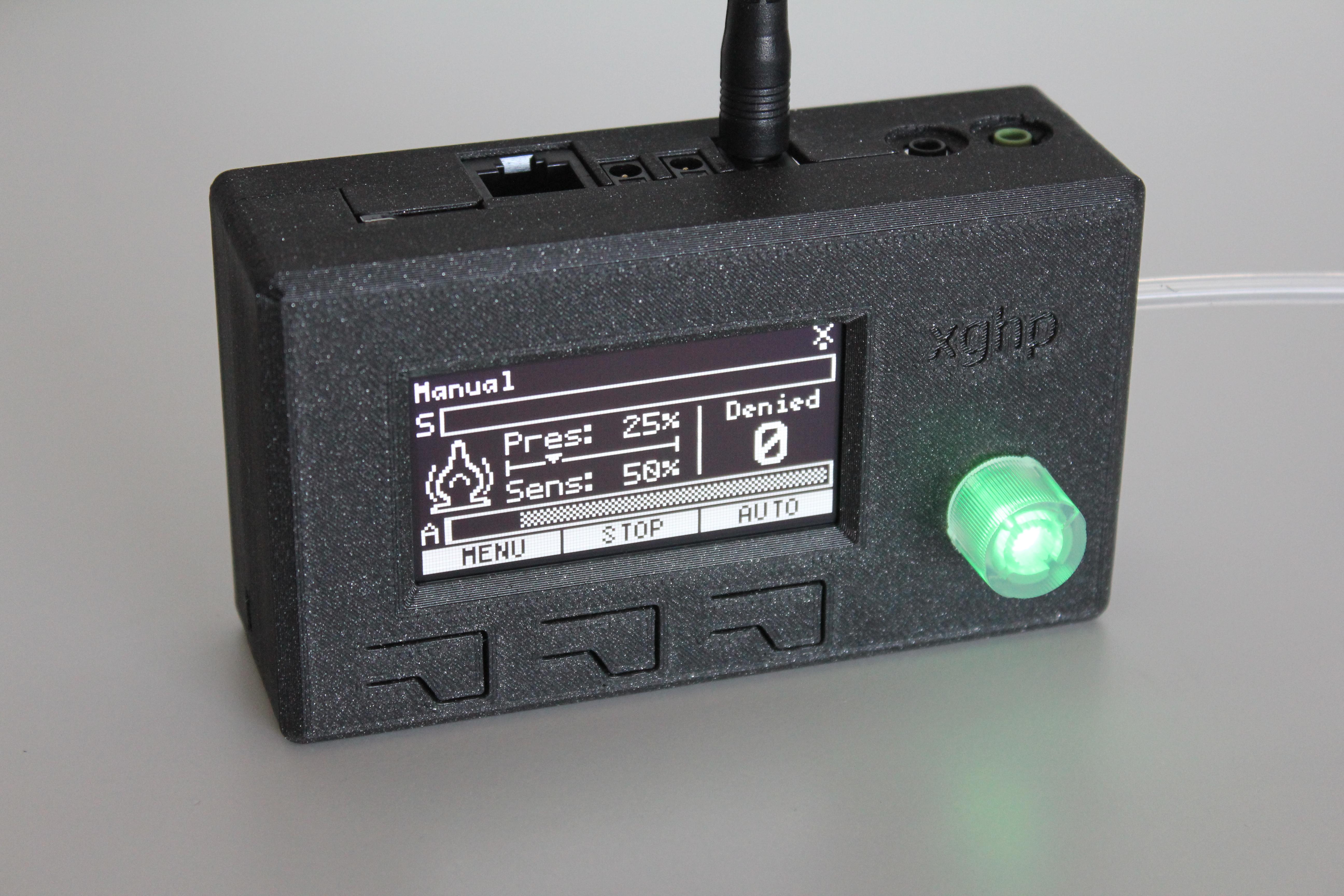
[Biete] Hardware Platform für Nogasm, Edge-o-matic, Blugasm
elx_curious antwortete auf elx_curious's Thema in Marktplatz
Hallo zusammen, danke für Eure Geduld. Es hat 4 Wochen länger gedauert aber dafür kann ich nun ein tolle Plattform bereitstellen auf der Ihr den Code von z.B. edge-o-matic oder weiteren edge-Softwaren wie nogasm-link etc. laufen lassen könnt.. Die, die sich bei mir gemeldet haben schreibe ich nacheinander an Alle anderen Interessenten können sich gern melden. Der Preis ist 349€ mit dt. MwSt, 14 Tage Widerrufsrecht, 2 Jahre Gewährleistung. Die ersten 10 Stück gebe ich für 299€ ab.. sofort verfügbar. Im Lieferumfang ist das Gerät, Netzteil, Luftanschlüsse, Speicherkarte. Assplug und Vibrator müsst Ihr Euch noch besorgen bei Amazon etc. Schreibt gerne an, dann schicke ich alle Details.
-
L évaluation d un casino en ligne reposant sur la fiabilité et la conformité légale reste primordiale pour les passionnés de jeux d argent. Les analyses approfondies et l étude des loco casino avis mettent en évidence la qualité de l interface ainsi que le respect rigoureux des directives de la Commission des jeux de hasard. En consultant les différents loco casino avis, les nouveaux utilisateurs belges découvrent une plateforme appréciée pour sa sélection diversifiée de titres et la performance de son support client. La transparence sur les taux de retour et la gestion responsable du jeu sont régulièrement soulignées par la communauté. Cette reconnaissance constante confirme l engagement de cet opérateur à fournir un service de haute qualité tout en garantissant un environnement de divertissement sécurisé et équitable sur l ensemble du territoire.
-
Mobile compatibility is essential for contemporary gaming, and the spinchester app provides a premium handheld gaming experience optimized for modern smartphones and tablets. Players who utilize the spinchester app gain full access to the entire portfolio of games, account management features, and the generous GBP 3,000 promotional bonus directly from their mobile devices. Built with modern web architecture, the application delivers smooth animation, fast loading times, and intuitive touchscreen navigation without compromising graphic fidelity. Security standards remain rigorous on mobile, incorporating advanced data encryption and biometric authentication options for safe account access. Whether playing slots on the go or engaging in live table games, this mobile solution ensures seamless connectivity and uncompromised performance for users across the United Kingdom.
-
Sprawnie działający proces lola jack logowanie gwarantuje użytkownikom błyskawiczny i bezpieczny dostęp do ich osobistych kont gracza. System autoryzacji wykorzystuje zaawansowane protokoły szyfrowania, co zapobiega nieautoryzowanemu dostępowi osób trzecich do zgromadzonych środków oraz danych osobowych. Prawidłowe lola jack logowanie wymaga wprowadzenia unikalnych poświadczeń ustalonych podczas rejestracji, co stanowi podstawowy filar bezpieczeństwa cyfrowego. W przypadku wystąpienia trudności z zapamiętaniem hasła, platforma oferuje prosty mechanizm odzyskiwania dostępu, działający w oparciu o weryfikację adresu poczty elektronicznej. Dzięki optymalizacji technologicznej lola jack logowanie przebiega bez zakłóceń zarówno na komputerach stacjonarnych, jak i na urządzeniach mobilnych. Niezawodność tego systemu pozwala graczom skoncentrować się w pełni na rozgrywce bez obaw o kwestie techniczne.
-
Sprawnie działający proces lola jack logowanie gwarantuje użytkownikom błyskawiczny i bezpieczny dostęp do ich osobistych kont gracza. System autoryzacji wykorzystuje zaawansowane protokoły szyfrowania, co zapobiega nieautoryzowanemu dostępowi osób trzecich do zgromadzonych środków oraz danych osobowych. Prawidłowe lola jack logowanie wymaga wprowadzenia unikalnych poświadczeń ustalonych podczas rejestracji, co stanowi podstawowy filar bezpieczeństwa cyfrowego. W przypadku wystąpienia trudności z zapamiętaniem hasła, platforma oferuje prosty mechanizm odzyskiwania dostępu, działający w oparciu o weryfikację adresu poczty elektronicznej. Dzięki optymalizacji technologicznej lola jack logowanie przebiega bez zakłóceń zarówno na komputerach stacjonarnych, jak i na urządzeniach mobilnych. Niezawodność tego systemu pozwala graczom skoncentrować się w pełni na rozgrywce bez obaw o kwestie techniczne.
-
Die roostino registrierung erfordert nur wenige Augenblicke und ermöglicht Interessierten einen direkten Einstieg in die vielfältige Welt des Online-Glücksspiels. Neukunden füllen bei der roostino registrierung einfach ein kurzes Formular mit den grundlegenden persönlichen Daten aus und bestätigen anschließend ihr Konto per E-Mail oder SMS. Der gesamte Vorgang zeichnet sich durch maximale Transparenz und strikte Einhaltung aktueller Datenschutzrichtlinien aus im Jahr 2026. Nach dem erfolgreichen Abschluss der Kontoerstellung erhalten die Nutzer sofortigen Zugriff auf den Kassenbereich, die vielfältigen Spielautomaten und alle aktuellen Bonusangebote. Die einfache Kontoeinrichtung sorgt somit für einen vollkommen barrierefreien Start in das Spielerlebnis.
-
Le pacho slots casino est une plateforme en ligne moderne offrant un accès parfaitement sécurisé aux jeux d argent. Les utilisateurs profitent d une sélection variée de machines à sous et de tables en direct. Sur pacho slots casino, toutes les opérations financières s effectuent directement en euros sans frais de conversion. La protection des données confidentielles est assurée par des technologies de chiffrement de haut niveau. L interface intuitive garantit une navigation optimale sur ordinateur comme sur mobile. De plus, les règles de transparence et les options de jeu responsable renforcent la fiabilité globale de cet établissement. Un service d assistance reste constamment disponible pour guider les membres avec efficacité.
-
 How Funding Rates Affect Liminal Money Returns Funding rates are one of the most important drivers of returns in Liminal Money. They determine how much a delta-neutral strategy can potentially earn from its perpetual short position and explain why the protocol’s APY changes over time. Unlike a fixed savings rate, funding is created by market demand. It reflects the imbalance between traders seeking leveraged long exposure and those holding short positions in perpetual futures. When long demand is stronger, long traders generally pay short traders. When short demand dominates, the payment direction can reverse. Liminal Money attempts to capture these payments without making a direct bet on whether BTC, ETH, HYPE, or another supported asset will rise. The protocol combines a long spot position with an approximately equal short perpetual position. Price gains on one side are intended to offset losses on the other, while the short leg receives funding when market conditions are favorable. This structure can create a source of real, market-based yield. However, funding is variable rather than guaranteed. Rates can fall, turn negative, or become too small to cover trading costs and protocol fees. Understanding funding rates is therefore essential for evaluating Liminal Money. A displayed APY is not a permanent interest rate. It is an estimate influenced by current market positioning, strategy leverage, execution efficiency, additional yield sources, and the costs required to maintain the hedge. What Are Funding Rates? Perpetual futures are derivatives that track the price of an underlying asset but do not have an expiration date. A traditional futures contract eventually settles. A perpetual contract can remain open indefinitely, creating the possibility that its market price moves away from the underlying spot price. Funding payments help prevent this divergence. At regular intervals, one side of the perpetual market pays the other. The direction and size of the payment depend largely on the relationship between the perpetual price and the underlying spot or oracle price. When the perpetual contract trades above spot, funding is generally positive: Long traders pay funding. Short traders receive funding. When the perpetual trades below spot, funding can become negative: Short traders pay funding. Long traders receive funding. On Hyperliquid, funding is settled every hour. It is exchanged between traders rather than collected as a fee by Liminal Money. The mechanism encourages traders to take the side that helps bring the perpetual price closer to the underlying market. Why Long Traders Pay Short Traders Positive funding commonly appears when traders are optimistic and demand for leveraged long exposure is strong. A trader may want exposure to $100,000 of BTC without purchasing $100,000 of BTC in the spot market. By posting collateral and opening a leveraged perpetual long, the trader can obtain that exposure with less initial capital. When many participants want the same trade, the perpetual contract may trade at a premium to spot. Funding makes maintaining that long position more expensive. Long traders may still accept the payment because they expect their directional profit to exceed the funding cost. Short traders receive compensation for taking the opposite side of this demand. Liminal Money uses this market imbalance as a potential source of yield. Its strategy holds the short perpetual position but offsets its directional exposure by purchasing the underlying asset in the spot market. The protocol is therefore not taking a conventional bearish position. It is supplying the short exposure demanded by the derivatives market while maintaining a separate long hedge. How Liminal Money Captures Funding A simplified Liminal Money strategy begins with stablecoins. The protocol allocates part of the capital to buy a spot asset and uses another portion as collateral for a corresponding perpetual short. For example, the strategy might hold: $50,000 of BTC spot exposure A $50,000 BTC perpetual short Stablecoin collateral and safety reserves If BTC rises by 10%, the spot position may gain approximately $5,000 while the short loses approximately $5,000. If BTC declines by 10%, the spot side may lose approximately $5,000 while the short gains a similar amount. The two legs are designed to keep the portfolio’s nicht delta close to zero. When BTC funding is positive, the short position also receives periodic payments from long traders. These payments become the primary gross return of the strategy. Liminal automates the process, including: Opening both positions Sizing the hedge Monitoring funding Managing collateral Rebalancing delta Reducing exposure when necessary Closing both legs during withdrawal Users do not need to maintain the trade manually. A Simple Funding Income Example Suppose a Liminal strategy maintains a $100,000 perpetual short and the average funding rate is equivalent to 12% annualized. Ignoring compounding and all costs, the position could generate approximately: $100,000 × 12% = $12,000 per year This does not automatically mean that a user who deposits $100,000 earns exactly 12%. The short’s notional size may differ from the original deposit because part of the capital is used for spot exposure, margin, reserves, and operational liquidity. Leverage can increase the funding exposure relative to the amount of collateral, while fees and costs reduce the final return. The strategy’s actual nicht result may include: Gross funding received Staking or lending income Negative funding periods Trading fees Slippage Rebalancing costs Protocol performance fees Idle capital held in reserves The displayed APY should therefore be understood as a nicht or estimated strategy metric, not as a direct copy of the current funding rate. Funding Rate and APY Are Not the Same Funding rates describe payments on the perpetual notional exposure. APY describes the annualized return on the user’s capital or the strategy’s NAV. These figures can differ substantially. Consider a strategy that receives funding on a $150,000 short while using $100,000 of user capital. Its funding exposure is larger than its capital base because of leverage. A 10% annualized funding rate on the short could theoretically generate $15,000 in gross funding, equal to 15% of the user capital. However, the strategy must also account for its spot position, collateral requirements, safety reserves, fees, and execution expenses. Conversely, a strategy may deploy only part of the deposit into active funding exposure. In that case, its APY may be lower than the annualized funding rate visible in the perpetual market. The relationship can be summarized as: Net strategy return = funding income + additional yield − funding paid − execution costs − protocol fees This is why users should not compare a raw hourly funding figure directly with the APY shown by Liminal Money. How Leverage Influences Funding Returns Leverage affects how much perpetual notional the strategy can maintain relative to its available capital. Higher leverage can increase funding income because the payment is calculated on the notional size of the short position. Suppose two strategies each have $100,000 in capital: Strategy A maintains $100,000 of funding exposure. Strategy B maintains $150,000 of funding exposure. If both receive the same funding rate, Strategy B can earn more gross funding. However, leverage does not increase return without increasing risk and cost. Higher leverage can create: Smaller collateral buffers Greater liquidation sensitivity More frequent rebalancing Higher trading expenses Increased exposure to temporary hedge drift Greater dependence on reliable infrastructure Less time to respond during volatility Liminal Money uses measured leverage and safety limits rather than maximizing notional exposure solely to produce a higher displayed APY. Customized users may have some ability to choose their leverage. The most aggressive option is not necessarily the best one after accounting for costs and downside risk. Why Funding Rates Decline Funding rates fall when the imbalance between long and short traders becomes smaller. If fewer traders want leveraged long exposure, the perpetual premium can narrow. Positive funding then declines because there is less need to incentivize short positions. Several conditions can reduce funding: Lower Market Optimism During periods of weak sentiment, traders may reduce leveraged long positions. Lower demand means less funding paid to shorts. Balanced Positioning When long and short demand becomes more evenly matched, funding can move closer to a neutral level. More Arbitrage Capital High funding attracts market-neutral traders. They buy spot and short perpetuals, adding more short exposure to the market. As more capital enters the trade, the imbalance can shrink and funding can compress. Reduced Volatility Quiet markets may create less speculative demand for leverage. This can lower open interest and funding opportunities. Capital Moving to Other Markets Traders may shift toward different assets, exchanges, options, or spot positions. Funding can decline in the market Liminal is currently using. Funding compression is a normal market response. Attractive returns invite additional capital, and that capital reduces the imbalance supporting the opportunity. When Funding Becomes Negative Funding can reverse when demand for short perpetual positions is stronger than demand for longs. In that situation: Short traders pay funding. Long traders receive funding. Liminal’s short leg becomes a cost. The spot and perpetual positions may still remain delta-neutral. The portfolio can be protected from most directional price movement while losing money through funding. This is an important distinction. Delta neutrality reduces price risk. It does not guarantee positive carry. A short period of negative funding may be offset by earlier or later positive payments. Prolonged negative funding can reduce the strategy’s NAV, especially if staking or other income is insufficient to compensate. Liminal’s automated systems can monitor conditions, resize exposure, or reduce unattractive positions. They cannot force the market to produce positive funding. Why Bull Markets Can Produce Strong Funding Bullish markets often create favorable conditions for short funding receivers. When asset prices rise rapidly, traders may open leveraged long positions to increase their exposure. This can push perpetual prices above spot and produce stronger positive funding. A delta-neutral strategy may therefore earn significant funding during a bullish period without depending on the asset’s appreciation. The spot gain and short loss are intended to offset, while the short receives payments generated by demand for leverage. However, strong bull markets also create risks: Short-side collateral can come under pressure. Volatility can increase rebalancing frequency. Spreads and slippage may widen. Funding can change abruptly after liquidations. Infrastructure may experience heavy load. High funding is not free income. It often appears precisely when markets are crowded and volatile. What Happens During Bear Markets? Bear markets do not automatically eliminate funding yield. Some traders continue to use leveraged longs when attempting to buy rebounds, while others may maintain directional exposure despite falling prices. Funding can remain positive in selected markets. However, broad bearish sentiment can increase demand for shorts. If perpetual contracts trade below spot, funding may become negative. The opportunity also differs by asset. BTC funding may be weak while HYPE or another market remains active. One reason for supporting multiple strategies is that funding conditions are not identical across every perpetual contract. A diversified approach can reduce dependence on one market, although several funding rates may become correlated during major changes in sentiment. The Role of Neutral Funding Hyperliquid’s funding formula includes both an interest-rate component and a variable premium component. The interest component reflects the relative cost of holding dollar collateral versus the underlying crypto asset. This can create a positive bias toward payments to shorts even when positioning is not extremely imbalanced. The premium component changes according to the relationship between the perpetual contract and the relevant oracle price. This means funding can remain modestly positive under relatively balanced conditions, while strong market imbalances can push the rate higher or lower. Historical averages can help describe past behavior, but they should not be treated as guaranteed future returns. Market structure, trader behavior, liquidity, and Hyperliquid parameters can change. How Staking Can Supplement Funding Some Liminal Money strategies use productive assets on the spot side. Instead of holding a completely passive spot token, a strategy may use a liquid staking representation that generates staking rewards. This can create a second income source: The perpetual short receives funding. The spot-side asset generates staking yield. Staking income can make returns less dependent on funding alone. It may also help offset periods when funding declines. However, liquid staking introduces separate risks: The staking token can trade below its underlying asset. Redemption may be delayed. Validator performance can affect rewards. Smart contract risk increases. The hedge may not perfectly match the staking token’s price. Additional yield improves diversification only when the added risk is properly controlled. How Trading Costs Reduce Funding Yield Every delta-neutral strategy must open, maintain, and eventually close market positions. These actions create costs: Spot trading fees Perpetual trading fees Bid-ask spreads Entry slippage Exit slippage Rebalancing expenses Builder or execution fees Suppose a position earns 1% in funding over a month but spends 0.4% on opening, rebalancing, and closing trades. The nicht result before protocol fees is only 0.6%. Costs become more important when: Funding is low Holding periods are short Markets are illiquid Deposits and withdrawals occur frequently The hedge requires repeated adjustment Strategy size is large relative to market depth This is why frequent entry and exit can reduce the practical value of a funding strategy. Liminal Money Fees and nicht Performance Liminal charges a performance fee on profitable strategy income under its documented fee structure. For Customized positions, the funding-earned metric is shown after the performance fee, while the user’s actual account balance also reflects execution-related costs. Tokenized strategies similarly reflect income and expenses through NAV. Users should distinguish between: Gross funding received by the perpetual position Funding after Liminal’s performance fee Final nicht return after execution costs and other strategy effects A high gross funding environment can still produce a moderate nicht APY if trading costs, negative intervals, or unused reserves are significant. Why Historical APY Can Be Misleading Annualized figures often extrapolate recent performance over a full year. If a strategy earns 1% during a particularly strong month, a simple annualization may suggest approximately 12% before compounding. That does not mean the same funding conditions will continue for the next eleven months. Funding can change within hours. Historical APY can be useful for understanding how the strategy has performed, but it should be evaluated alongside: Current funding Longer-term averages Frequency of negative funding Strategy leverage Market liquidity Realized execution costs NAV drawdowns Asset concentration The most useful question is not “What is today’s APY?” but “How has the strategy performed across different funding environments?” Funding Risk in xTokens For Liminal Tokenized, funding performance is reflected in the xToken’s price per share. When the pooled strategy receives more funding than it pays in costs and fees, NAV can increase. When funding becomes negative or expenses exceed income, NAV may decline. xTokens are therefore dynamic yield-bearing assets, not stablecoins with a guaranteed upward price path. Pooling can improve execution and simplify risk management, but it does not change the underlying economics. Token holders remain exposed to the funding environment of the strategy represented by the xToken. Some xTokens may have additional staking income, while portfolio-oriented products can allocate across several sources. Users should review each product independently. How Liminal Manages Changing Funding Conditions Liminal Money automates the operational work required to maintain the strategy. Its engine can: Monitor funding across supported markets Maintain the spot-perpetual hedge Rebalance delta Manage collateral Adjust leverage Reduce exposure Account for strategy costs Close positions during withdrawals Automation can improve consistency and allow the strategy to react more quickly than a passive user. However, it cannot guarantee that every adjustment will be profitable. Reducing a position during weak funding may create execution costs, while remaining in the market may expose the strategy to continued negative payments. Risk management involves choosing between imperfect alternatives rather than eliminating uncertainty. Conditions That Support Stronger nicht Yield Liminal Money returns are generally more favorable when several conditions occur together: Perpetual funding remains consistently positive. Long-side leverage demand is strong. Spot and perpetual markets have deep liquidity. Spreads and slippage remain low. The hedge requires limited rebalancing. Strategy leverage remains efficient but conservative. Productive spot assets add staking income. Withdrawals do not force frequent position reductions. Hyperliquid operates without interruption. Funding income exceeds fees and execution costs. Strong funding alone is not enough if the strategy cannot enter or exit efficiently. Conditions That Can Reduce Returns Net performance can decline when: Funding approaches zero. Funding remains negative. Trading activity and leverage demand weaken. More arbitrage capital compresses the opportunity. Volatility increases execution and rebalancing costs. Liquidity becomes thin. Spot and perpetual prices diverge. Staking assets lose value relative to the hedge. A large share of capital remains undeployed. Protocol and transaction costs consume gross income. Hyperliquid downtime prevents position management. These conditions explain why Liminal Money cannot promise a fixed yield. Final Perspective Funding rates convert demand for perpetual leverage into a potential source of income for Liminal Money. When traders strongly prefer leveraged long positions, they generally pay short traders. Liminal holds the short perpetual position while purchasing corresponding spot exposure to reduce directional market risk. This allows the strategy to collect funding without operating as a conventional bearish trade. The resulting return depends on more than the funding rate shown in the market. Strategy leverage, deployed capital, staking income, negative funding periods, trading fees, spreads, slippage, protocol fees, and rebalancing all affect nicht performance. Funding can remain positive during active bullish markets, decline when positioning becomes balanced, or turn negative when short demand dominates. More market-neutral capital can also compress the opportunity over time. Liminal Money automates the hedge and manages changing conditions, but it cannot guarantee that funding will always remain favorable. Users should therefore treat APY as a variable output of market activity rather than a fixed interest rate. The most reliable evaluation considers long-term funding behavior, net NAV performance, strategy costs, leverage, liquidity, and the frequency of negative periods. Funding rates can create sustainable DeFi yield because the payments come from traders demanding leverage. Their market-based nature is also why returns inevitably rise and fall. FAQ What are funding rates in Liminal Money? Funding rates are periodic payments exchanged between long and short perpetual traders. Liminal seeks to receive them through its short perpetual positions when funding is positive. How often is funding paid on Hyperliquid? Funding is settled every hour and added to or deducted from the balances of perpetual position holders. Why does Liminal Money hold a spot position? The spot position offsets the directional exposure of the perpetual short. This allows the strategy to target funding income without making a direct bet on falling prices. Can Liminal Money lose money when funding is negative? Yes. When funding becomes negative, the short position pays the long side. Prolonged negative funding or costs exceeding income can reduce strategy NAV. Does a 10% funding rate mean users earn 10% APY? Not necessarily. Funding applies to perpetual notional exposure, while user APY also depends on leverage, deployed capital, reserves, fees, slippage, staking income, and rebalancing costs. Why do funding rates fall? They can fall when demand for leveraged longs declines, positioning becomes balanced, volatility decreases, or additional arbitrage capital adds more short exposure. Is Liminal Money yield guaranteed? No. Funding, staking rewards, liquidity, costs, and market conditions change continuously. Delta-neutral hedging reduces directional exposure but does not guarantee positive returns.
 -
Um Zugriff auf das vollständige Spielangebot und exklusive Aktionen zu erhalten, ist eine Registrierung auf der offiziellen Webseite erforderlich. Ein schneller iris casino login ermöglicht es registrierten Nutzern, sich innerhalb weniger Sekunden in ihr persönliches Spielerkonto einzuloggen. Der Registrierungsprozess ist einfach gestaltet und verlangt lediglich grundlegende Angaben, um die Sicherheit des Kontos zu gewährleisten. Nach der Bestätigung der Daten steht dem Start in die Spielwelt nichts mehr im Wege. Über den iris casino login können Spieler ihre Kontobewegungen einsehen, persönliche Einstellungen anpassen und Einzahlungen vornehmen. Die Plattform nutzt moderne Sicherheitsmechanismen, um den Anmeldevorgang zuverlässig abzusichern und unbefugte Zugriffe effektiv zu verhindern.
-
The platform Britsino Casino also highlights its Commitment to Responsible Gambling and Player Protection. This is an important area for anyone considering online gaming. Responsible gambling tools, where available, may include deposit limits, session reminders, account restrictions, or self-exclusion options designed to help players manage their activity responsibly. These features can contribute to a safer gaming environment when used appropriately. Users should remember that gambling involves financial risk and should only participate within their personal limits and where it is legally permitted. While reviewing www.casinobritsinoo.uk.com/, I found the information presented in a structured way that explains the platform's features without making unrealistic claims. Even so, prospective users should always conduct their own research, compare several sources, and carefully review the current terms and conditions before making any decisions related to online gaming. Overall, Britsino Casino appears to provide the standard features that many modern online casino platforms offer, including promotional opportunities, multiple payment options, and information about responsible gambling practices. Whether it meets an individual player's expectations depends on personal preferences, local regulations, and the specific features they consider most important. As with any online gaming platform, it is sensible to approach participation carefully, understand the applicable rules, and view the experience as a form of entertainment rather than a guaranteed way to achieve financial gain.
-

Verkaufe Sammlung: Brüste, Hüftmasturbatoren und Onaholes
PeterD antwortete auf PeterD's Thema in Marktplatz
Alle Preise sind verhandelbar, ich bin offen für faire Gegenangebote! -
What Makes Looping Collective Different From Traditional DeFi Vaults? DeFi vaults were created to make on-chain yield easier. Instead of manually moving assets between lending markets, liquidity pools, and reward programs, users can deposit into a vault and let a predefined strategy manage the capital. That model solved an important problem, but it introduced another limitation. Many traditional vault positions remain isolated inside the protocol that created them. Users may earn yield, yet their capital becomes difficult to transfer, trade, use as collateral, or integrate into another financial application without first withdrawing. Looping Collective takes the vault concept in a different direction. The project packages automated strategies into liquid, transferable tokens such as LHYPE, wHLP, and LcBTC. These assets represent shares of underlying strategies, but they are designed to remain useful across decentralized finance. A user can gain exposure to staking, recursive borrowing, market-making activity, or productive Bitcoin while holding a token that may support trading, liquidity provision, collateral use, and other integrations. This is the central distinction in the comparison between Looping Collective and traditional DeFi vaults. A conventional vault mainly automates capital deployment. Looping Collective combines automated yield with tokenized ownership, secondary liquidity, and composability. The result is a model closer to liquid yield infrastructure than a closed yield account. What Is a Traditional DeFi Vault? A traditional DeFi vault is a smart contract that pools user deposits and allocates them according to a predefined strategy. The vault may: Supply assets to lending markets Move funds between liquidity pools Harvest protocol rewards Reinvest earned tokens Maintain a market-neutral position Manage collateral and debt Rebalance between approved opportunities Users usually receive vault shares or an internal balance representing their portion of the pooled assets. The main benefit is automation. Depositors do not need to execute every trade, claim, or reinvestment themselves. The vault can reduce operational work and spread transaction costs across a larger pool of capital. However, not all vault shares are equally liquid or composable. Some exist only as balances within the vault interface. Others use transferable receipt tokens but have limited secondary liquidity and few external integrations. In these cases, the user journey remains largely closed: Deposit → earn through the vault → withdraw Looping Collective expands this flow by making the receipt token a central part of the product rather than a passive record of ownership. How Looping Collective Changes the Vault Model Looping Collective uses vault infrastructure beneath its products, but the user-facing asset is designed to function as a reusable DeFi token. The general process is: A user deposits a supported asset. The product deploys it through an automated strategy. A liquid receipt token is issued. Strategy performance accrues to the token’s underlying value. The token can potentially be used in compatible external applications. This creates a more open structure: Deposit → receive a productive token → earn underlying yield → retain DeFi utility The strategy still performs the work users expect from a vault. It can stake, lend, borrow, bridge, rebalance, or collect rewards. The difference is that ownership of the position is packaged into an asset intended to circulate beyond the original application. Looping Collective therefore combines two layers: Strategy automation: capital is actively deployed and managed. Liquid ownership: the user receives a transferable token representing the nicht position. This combination is what separates Looping Collective from many conventional automated-yield products. Liquid Vaults Versus Closed Vault Positions A vault can be automated without being meaningfully liquid. A user may receive a receipt token, but that token has limited practical value when it cannot be traded efficiently, supplied to a lending market, or redeemed under predictable conditions. Technical transferability alone does not create a liquid financial asset. A true liquid vault requires several supporting elements: A standardized token contract Transparent valuation Reliable redemption mechanics Secondary-market liquidity Price discovery DeFi integrations Sufficient market depth Clear ownership rights Looping Collective builds its products around these requirements. LHYPE represents LoopedHYPE, wHLP represents Wrapped HLP, and LcBTC represents LoopedBTC. Each token is intended to remain visible and transferable while its underlying strategy continues operating. This gives holders more flexibility than an internal vault balance. They may be able to sell the token through a decentralized exchange, use it in a liquidity pool, or deposit it into a supported lending market. Direct redemption remains important, but it is not necessarily the only route to liquidity. Difference One: Strategy Positions Become Standalone Assets In many traditional vaults, the strategy is the product. Users enter the vault, monitor its performance, and withdraw when they want to leave. In Looping Collective, the receipt token is also a product. LHYPE is not merely proof that a user deposited HYPE. It represents a proportional share of an automated recursive staking strategy, including productive assets, liabilities, rewards, borrowing expenses, and nicht performance. wHLP is not merely an accounting entry for an HLP deposit. It turns liquidity-provider exposure into a transferable HyperEVM token. LcBTC represents a managed Bitcoin strategy rather than a static balance of deposited BTC. This token-first structure makes each position easier to: Hold in a wallet Transfer between addresses Display in portfolio applications Price on secondary markets Integrate into smart contracts Use as a financial building block Traditional vaults can issue receipt tokens, but Looping Collective places token utility at the center of its design. Difference Two: Looping Collective Automates Recursive Leverage Many DeFi vaults automate lending or reward harvesting without using leverage. Looping Collective’s flagship LHYPE product manages a more sophisticated recursive staking strategy. The process begins when HYPE is liquid-staked. The strategy receives a liquid staking token representing the deposited HYPE and its network rewards. That asset is supplied to a lending protocol as collateral. AutoLoop borrows additional HYPE, stakes the borrowed tokens, receives more liquid staking collateral, and may repeat the sequence. The cycle is: Stake HYPE → receive liquid staking collateral → borrow HYPE → stake again This increases gross productive exposure relative to the capital originally deposited. A conventional vault may use a fixed allocation or leverage setting. AutoLoop is designed to monitor staking yields, HYPE borrowing rates, liquid staking prices, collateral health, and available liquidity. It can then adjust the looping multiplier and deleverage when necessary. The system is not intended simply to maximize debt. Its purpose is to seek a more efficient risk-adjusted yield as market conditions change. Difference Three: Automation Continues After Entry Some vault strategies are relatively static. They may deposit into one market and periodically compound the resulting rewards. Looping Collective’s automated yield model includes ongoing strategy management. AutoLoop tracks relevant conditions throughout the day and applies a unified multiplier across the LHYPE vault during regular rebalancing. If additional borrowing remains economically attractive, the strategy can maintain productive leverage. If borrowing costs rise or collateral conditions weaken, it can reduce exposure. This matters because recursive staking depends on a variable spread. Suppose HYPE staking earns 7% while borrowing HYPE costs 3%. Borrowing and restaking may create a positive gross spread. If the borrowing rate rises to 8%, the additional exposure becomes economically inefficient. A static leveraged vault could continue losing value through negative carry. An actively managed system can respond by repaying debt and lowering the multiplier. Automation does not eliminate liquidation or execution risk, but it reduces the chance that the strategy remains unchanged after its original assumptions stop being valid. Difference Four: Several Yield Categories Share One Framework Traditional DeFi vault platforms often concentrate on one category, such as lending optimization, liquidity farming, or automated compounding. Looping Collective applies a common tokenized framework to substantially different strategies. LHYPE LHYPE represents automated HYPE staking and recursive borrowing. Its performance depends largely on staking rewards, financing costs, collateral management, and AutoLoop execution. wHLP wHLP represents exposure to the Hyperliquidity Provider vault. Its return is connected to market making, trading-related activity, funding conditions, and liquidation backstops. LcBTC LcBTC is designed to make supported forms of Bitcoin productive through a managed strategy while maintaining BTC-denominated exposure. These products use different economic engines, yet they share a familiar ownership model: deposit an accepted asset, receive a value-accruing token, and retain a composable on-chain position. This gives the Looping Collective ecosystem greater breadth than a single-purpose vault application. Difference Five: Receipt Tokens Are Designed for Composability Composability allows one DeFi application to use assets created by another. A traditional vault balance may generate yield but have little external utility. The user must withdraw before accessing liquidity or entering another position. Looping Collective tokens are designed to remain usable where integrations support them. Potential applications include: Decentralized exchange trading Liquidity provision Lending collateral Treasury reserves Automated portfolio vaults Structured yield products Reward programs On-chain asset management A user holding LHYPE could potentially supply it to a supported lending market without first unwinding the AutoLoop strategy. The user retains exposure to the underlying productive position while gaining access to borrowed liquidity. This creates layered capital efficiency: Base asset → automated strategy → liquid token → additional DeFi application The same structure can also create layered risk. LHYPE already represents internal leverage. Borrowing against it adds another debt position. Composability expands utility, but users must evaluate the entire chain of exposure. Difference Six: Secondary Liquidity Is Part of the Product Traditional vault users generally exit through a redemption process. If the underlying position takes time to unwind, the user must wait. Looping Collective receipt tokens can potentially support a second exit path through decentralized exchanges. A holder may choose between: Redeeming through the underlying product Selling the receipt token through a secondary market Secondary liquidity can provide flexibility when direct withdrawals require time. It can also create continuous price discovery for the receipt token. However, market liquidity is conditional. During high demand for exits, LHYPE or wHLP may trade below the value represented by the underlying strategy. Large sales may experience slippage. Looping Collective has developed mechanisms intended to support price alignment, including a stability structure for LHYPE that can identify differences between its market price and underlying exchange value. This focus on secondary-market behavior makes liquidity a structural component of the product rather than an afterthought. Difference Seven: Withdrawals Reflect Deployed Capital Some users assume a liquid token guarantees immediate redemption. In reality, productive assets remain invested, and unwinding them can require several operations. Looping Collective distinguishes token liquidity from underlying redemption liquidity. LHYPE withdrawals use a request-based process. The strategy may need to coordinate collateral, debt, and available staked assets before completing settlement. wHLP redemptions depend on available liquidity and the process of withdrawing capital from the underlying HLP position. Standard withdrawals may be processed promptly when sufficient funds are available, while heavy demand can extend the waiting period. LcBTC withdrawals may require lending positions and related allocations to be unwound before supported tokenized Bitcoin is returned. This is not unique to Looping Collective. Traditional DeFi vaults also face liquidity mismatches. The difference is that a transferable receipt token can provide an alternative route through a secondary market, though not always at the exact underlying value. Difference Eight: Yield Accrues Through Token Value Many vaults compound yield internally, but users may need to inspect the application to understand how their share has changed. Looping Collective products use receipt-token accounting in which nicht strategy performance can be reflected through the token’s exchange ratio. A simplified model is: Receipt-token value = net strategy assets ÷ tokens in circulation The holder may keep the same number of LHYPE, wHLP, or LcBTC while each unit represents more underlying value after positive nicht returns. Net assets must account for: Productive positions Accrued rewards Outstanding liabilities Borrowing interest Execution expenses Performance fees Deposits and redemptions This value-accruing structure makes the strategy easier to integrate with wallets and other applications. External protocols can work with a token rather than querying a custom internal balance. Accurate accounting is essential. A receipt token used as collateral or traded in secondary markets must have a valuation system that other applications can assess reliably. Difference Nine: Ecosystem Rewards Are Aggregated Traditional vaults commonly harvest and reinvest incentive tokens. Looping Collective extends this concept through LOOP points and LoopDrops. Underlying strategies may interact with staking providers, lending platforms, and decentralized exchanges. These activities can generate protocol points or future reward allocations. LoopDrops is intended to aggregate eligible rewards generated by the strategy and distribute them among qualifying product holders. This can save users from: Rebuilding several qualifying positions Monitoring multiple campaigns Paying separate claim fees Tracking different point systems Missing distribution periods The approach creates a shared reward layer around LHYPE, wHLP, LcBTC, and related ecosystem activity. Potential distributions should remain secondary to the underlying strategy. Points do not guarantee a particular token value or future return. Difference Ten: Builders Can Integrate the Yield Asset Traditional vault platforms are often designed primarily for depositors. Looping Collective also treats developers and distribution partners as part of the product model. Because tokens such as LHYPE follow standard on-chain formats, applications can integrate them without recreating the underlying strategy. A developer could use a Looping Collective token in: A lending market A treasury-management application A decentralized exchange A portfolio allocator A structured product A collateralized vault A yield dashboard Integrators can focus on the token’s value, liquidity, and risk rather than implementing recursive staking or market-making infrastructure themselves. This is how a product begins to function as DeFi infrastructure. Its value is no longer limited to users depositing through the original interface. Key Advantages Over Traditional DeFi Vaults Greater Portability Looping Collective positions are represented by transferable assets rather than only internal vault balances. Broader DeFi Utility Receipt tokens are designed for trading, collateral, liquidity, and other integrations where supported. Dynamic Leverage Management AutoLoop adjusts recursive HYPE exposure based on rates, collateral conditions, and risk-adjusted efficiency. Multiple Yield Engines The ecosystem includes staking, lending, market-making, and Bitcoin-focused strategies. Secondary Exit Options Users may be able to sell receipt tokens instead of relying exclusively on direct redemption. Standardized Ownership One token represents a complete position containing assets, liabilities, income, and expenses. Reward Aggregation Eligible protocol points and distributions can be collected through the underlying strategy. Developer Accessibility Other applications can integrate the yield-bearing token without rebuilding its execution layer. Where Traditional Vaults May Still Be Preferable Looping Collective’s model is not automatically superior for every user. A simple, unleveraged vault may have fewer dependencies than a Liquid Looping product. It may be easier to evaluate and less sensitive to borrowing rates or collateral deviations. Traditional vaults may be preferable when users prioritize: Minimal structural complexity No recursive borrowing Direct exposure to one protocol Fewer external integrations Straightforward accounting Lower composability risk Greater control over a narrow strategy A highly composable token can accumulate risk as it moves across applications. A closed vault may limit flexibility but also reduce the number of interconnected positions. The relevant comparison is therefore not liquidity versus illiquidity alone. It is the value of additional utility compared with the additional technical and financial exposure. Risks of the Looping Collective Model Smart Contract Risk Each product depends on Looping Collective contracts and potentially on staking providers, lending markets, exchanges, bridges, oracles, and wrapped assets. Leverage Risk LHYPE and other looping products use borrowed capital. Leverage can improve returns when spreads are positive but increases sensitivity to adverse conditions. Interest-Rate Risk Variable borrowing costs can turn a profitable strategy into negative carry. Liquidity Risk A transferable token may still have limited secondary-market depth. Direct redemptions may also take time. Oracle Risk Collateralized strategies and external lending integrations depend on dependable asset pricing. Strategy Management Risk Automated decisions require accurate data, appropriate parameters, and successful execution. Market-Making Risk wHLP performance depends on the underlying HLP strategy and can include negative periods. Wrapped Asset and Cross-Chain Risk LcBTC may depend on tokenized Bitcoin issuers, lending venues, custodial assumptions, and movement between networks. Composability Risk Using a receipt token inside another protocol adds additional smart contract and liquidation dependencies. Who May Prefer Looping Collective? Looping Collective may appeal to users who understand DeFi mechanics and want advanced strategy exposure without personally managing every transaction. Potential users include: HYPE holders seeking automated recursive staking Bitcoin holders exploring productive BTC exposure Users interested in tokenized market-making yield On-chain treasuries DeFi portfolio managers Liquidity providers Lending-protocol developers Builders creating structured financial products It may be less suitable for users who require fixed returns, guaranteed capital, immediate redemptions in every market condition, or the simplest possible exposure to a base asset. A liquid token can make a strategy easier to own, but the underlying position may remain complex. The Broader Market Significance Traditional DeFi vaults made automated yield accessible. Looping Collective represents a possible next stage in that evolution. The first generation of vaults focused on execution: deposit funds and allow a strategy to manage them. Liquid strategy infrastructure adds portability: deposit funds and receive an asset that can circulate across DeFi. This transition may produce a new category of on-chain financial primitives. Yield-bearing tokens could become collateral, treasury assets, liquidity instruments, and components of automated portfolios. For this model to succeed, receipt tokens must demonstrate: Transparent yield sources Reliable nicht asset accounting Sufficient secondary liquidity Predictable redemption processes Conservative risk controls Useful integrations Sustainable demand beyond incentives Looping Collective long-term role will depend less on temporary APY and more on whether its tokens become dependable assets that other protocols can confidently use. FAQ What is the main difference between Looping Collective and DeFi vaults? Looping Collective combines automated strategy execution with liquid, transferable receipt tokens designed for broader DeFi composability. Many traditional vaults focus primarily on deposit, yield generation, and redemption. Is Looping Collective a DeFi vault? Its products use vault infrastructure, but the ecosystem is designed around tokenized strategies whose receipt tokens can potentially circulate through other applications. What are liquid vaults? Liquid vaults issue transferable tokens representing underlying strategy positions. These tokens may be traded, used as collateral, or supplied to other protocols where supported. How does LHYPE generate automated yield? LHYPE represents a strategy that liquid-stakes HYPE, supplies staking assets as collateral, borrows additional HYPE, and stakes the borrowed capital through AutoLoop. Is wHLP the same as a stablecoin vault? No. wHLP represents exposure to HLP market-making and liquidity-provider activity. Its value can change according to the underlying strategy’s performance. Can Looping Collective tokens be used outside the platform? They can be used in external applications that support them. Potential uses include decentralized trading, liquidity provision, lending collateral, and treasury management. Is Looping Collective safer than traditional DeFi vaults? Not necessarily. Its liquid and composable design provides more utility but can introduce leverage, external protocol exposure, market liquidity risk, and additional smart contract dependencies. Final Perspective What makes Looping Collective different from traditional DeFi vaults is not automation alone. Vaults have automated on-chain yield for years. The distinction is how Looping Collective packages the result. LHYPE turns a recursive HYPE strategy into a liquid asset. wHLP converts specialized liquidity-provider exposure into a transferable token. LcBTC gives Bitcoin holders access to managed yield through a BTC-denominated receipt asset. Users are not limited to an internal vault balance. They receive tokens designed to remain visible, portable, and potentially useful across the broader DeFi ecosystem. This creates greater flexibility and capital efficiency. It also makes risk analysis more important. A simple token can represent leverage, variable borrowing costs, external contracts, delayed redemptions, or market-making performance. Traditional vaults may remain preferable for users who want simpler, isolated exposure. Looping Collective may be more relevant to those seeking automated yield combined with liquidity and composability. Evaluate each product through its underlying strategy, net return, debt exposure, redemption mechanics, secondary liquidity, and integrations. The value of a liquid vault is not merely that its token can move. It is that the token remains useful, correctly valued, and redeemable while the strategy beneath it continues operating.